

Why Car Detailing Skills Don't Transfer to Aircraft
Great car detailers are not automatically safe aircraft detailers. Here is why aviation demands different knowledge, and how experienced detailers can make the move properly.
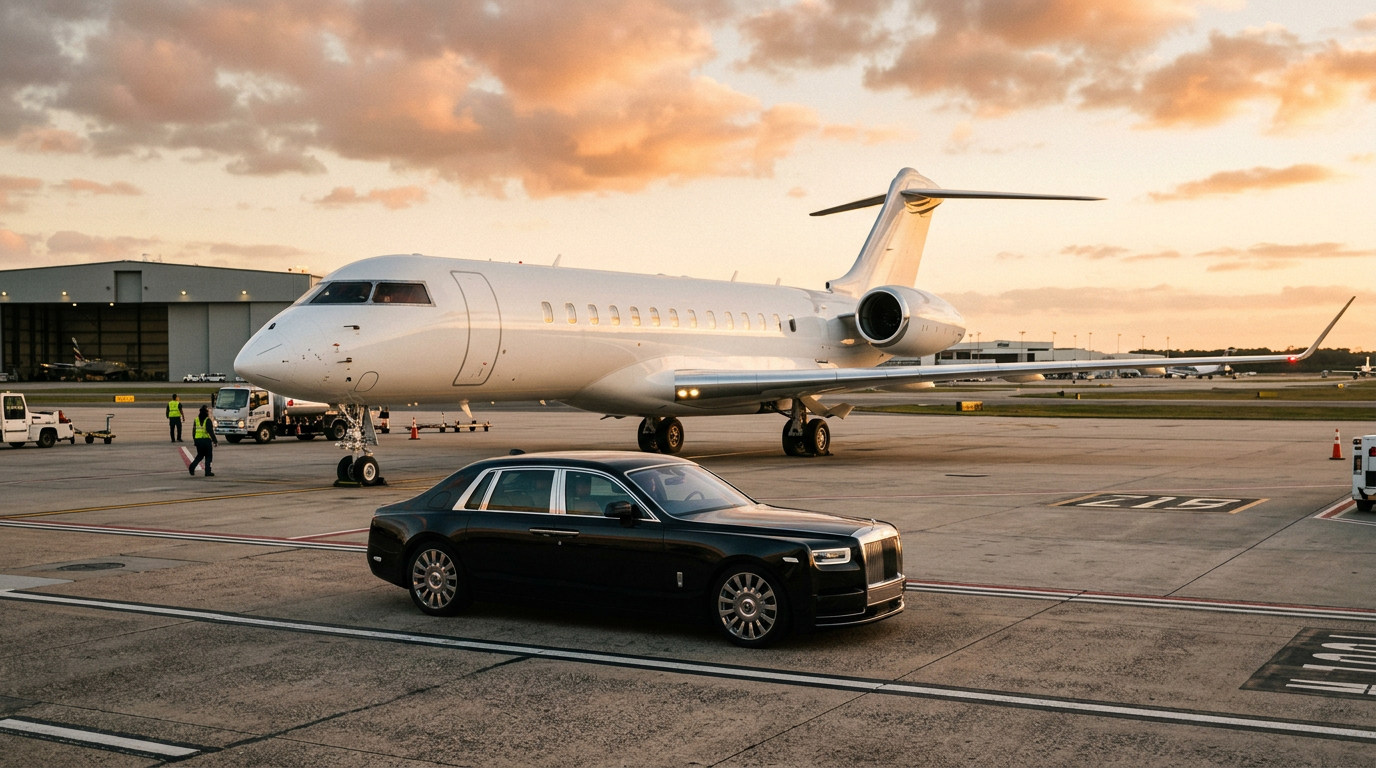
Can a car detailer detail an aircraft?
A skilled car detailer has a strong foundation: an eye for finish, patience and good habits. But aircraft are built from different materials, to different standards, and operate in a regulated environment. Without aviation-specific training, many of the instincts that make someone excellent on cars can cause damage on an aircraft.
Different materials, different rules
Aircraft use acrylic windows, specialist paint systems, composite structures, polished alloys and cabin materials chosen for weight and fire safety. Each comes with manufacturer guidance on what can and cannot be used on it. Products that are standard in automotive detailing may be prohibited on an aircraft.
Areas that must not be touched
An aircraft has sensors, probes, ports, vents and seals that are critical to safe flight. A car has nothing equivalent. Aviation detailers are trained to identify these areas and to protect them, because contaminating or disturbing them is not a cosmetic issue.
A different working environment
Detailing on a ramp or in a hangar means working around moving aircraft, fuel, ground power and other teams, often at height. Safety procedures, access equipment and communication with engineers are part of the job, and none of them are covered in automotive courses.
How to move from automotive to aviation detailing
The right route is structured training from detailers who have worked on private and business jets, using OEM-approved methods. Hawkers Aviation's team brings over 12 years of aviation detailing experience at the UK's busiest airports to training programmes across the UK, Europe and the Middle East. Our training is delivered by detailers with hands-on experience in private jet detailing and training, using OEM-approved methods.
Habits that need relearning
Many automotive habits are the right instinct in the wrong place: reaching for a familiar product, treating every surface the same, working fast to finish a job, or using equipment that has never been checked for aviation use. On an aircraft, each of these can cause damage. Training replaces them with an aviation mindset: check the requirements first, protect sensitive areas, and never assume.
What carries over from car detailing
Attention to detail, patience, finish quality and customer care all transfer. Detailers with automotive backgrounds often progress quickly once they have learned the aviation-specific materials, rules and safety procedures.
FAQ
Frequently asked questions
- Do I need aviation training if I already have automotive detailing certifications?
- Yes. Automotive certifications do not cover aircraft materials, OEM requirements or ramp safety.
- Is aviation detailing a good career move?
- The business and private aviation sectors need trained detailers, and operators increasingly look for recognised aviation training when hiring.
- How long does it take a car detailer to retrain for aviation?
- It depends on your experience, but structured training gets you working safely far sooner than learning on the job. Get in touch and we will recommend the right course.
- Where are Hawkers Aviation's training sessions held?
- Our head office is in Sevenoaks, Kent, and our training sessions run at partner facilities across UK airports, so trainees learn in a real aviation environment, on the ramp and in the hangar.